

Architectural Study
Architectural Analysis
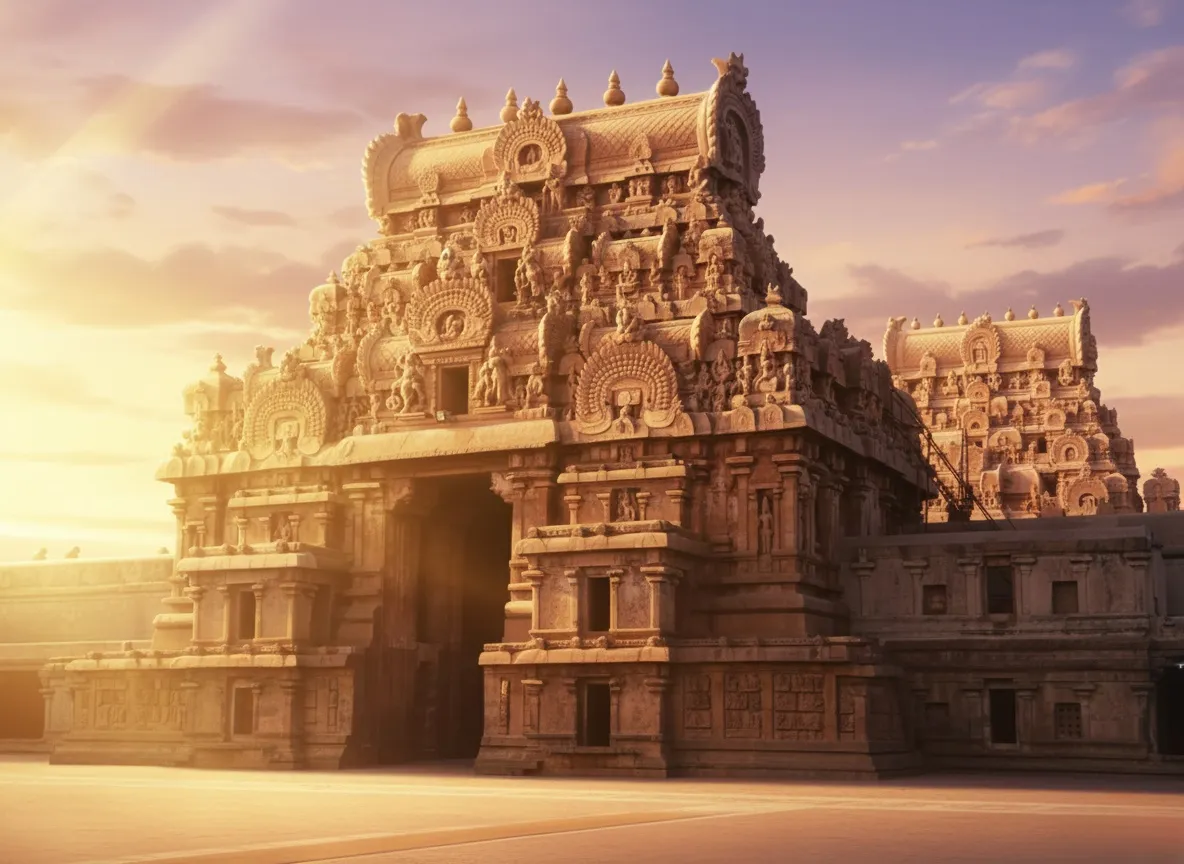
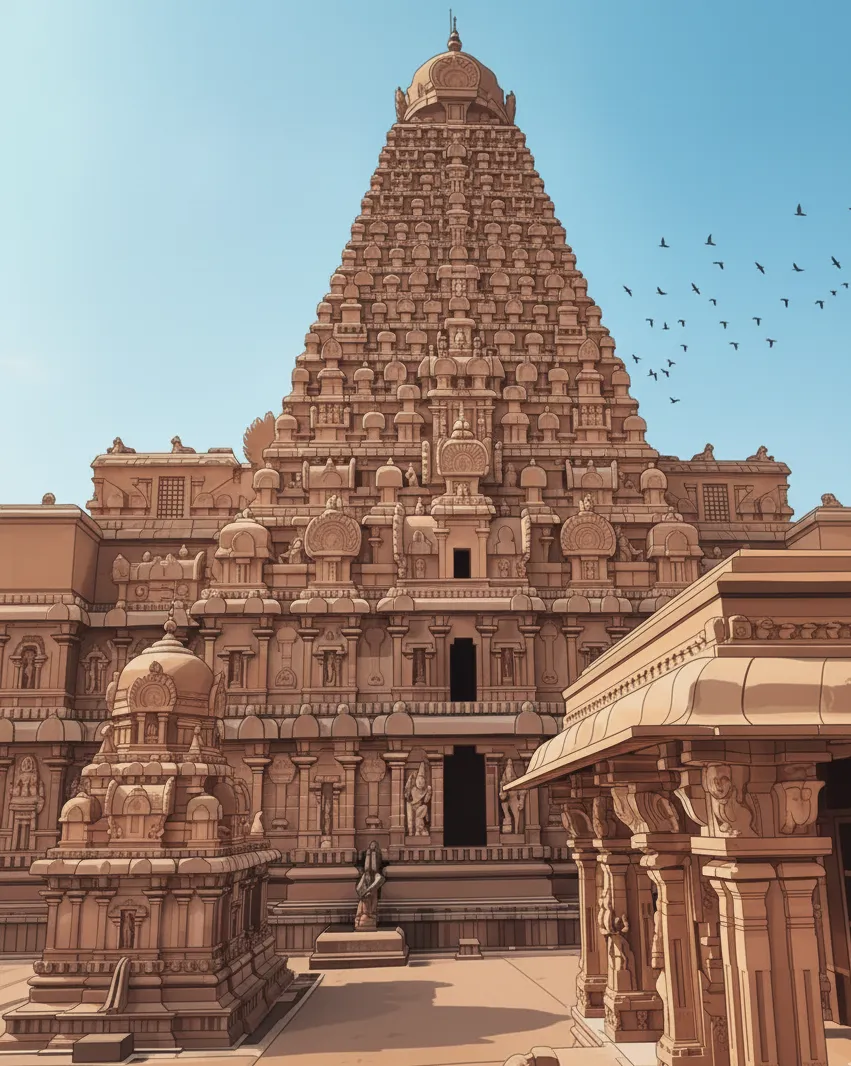
- Typology: Dravida style temple with a monumental central tower (Vimana).
- Planning: Square sanctum with an enclosed courtyard.
- Structural System: Vastu-based stone masonry with interlocking joints.
- Materials: Granite, sandstone, and decorative stone carvings.
- Columns: Tall, intricately carved pillars supporting the temple structure.
- Climate Response: Use of massive stonework to shield from high temperatures and tropical weather.
- Vimana: Central tower symbolizing Mount Meru, connecting earth and heavens.
- Shikhara: The vertical spire representing divine energy and focus of the temple.
- Plinth Design: Elevated base with detailed bas-reliefs, adding visual grandeur.
- Light & Shadow: Natural light filters into the sanctum, creating divine illumination.
- Acoustic Design: Temple built to enhance sound for rituals and chants.
- Symbolic Alignment: Aligned with astronomical events like solstices for cosmic significance.
- Ritual Pathways: Layout reflects spiritual journey from earthly to divine realms.
- Gopuram: Grand entrance gateway, symbolizing the threshold to the divine.
- Water Management: Ingenious rainwater channels and tanks for cooling the temple.
- Decorative Sculptures: Carvings of deities and mythology depicting divine order and balance.
- Vastu & Astronomy: Uses Vastu principles and astronomical alignments for harmony.
- Stability: Strong stone construction and interlocking joints for long-lasting durability.
History of the Brihadeshwara Temple
The Brihadeshwara Temple was built by the Chola King Raja Raja Chola I in the early 11th century as a symbol of his power and devotion to Lord Shiva.
- Patron: Raja Raja Chola I.
- Period: Completed in 1010 CE.
- Political Context: The Chola dynasty was at its peak, influencing South India and Southeast Asia.
- Religious Context: Dedicated to Lord Shiva, reflecting the Chola's devotion to Saivism.
- Symbolism: The temple symbolizes Raja Raja Chola I’s divine authority, presenting him as a earthly representation of Lord Shiva, demonstrating his control over both spiritual and physical realms.
- Architectural Significance: A prime example of Dravida architecture, the temple features a towering Vimana (66 meters high), showcasing the Chola's advanced engineering and architectural skills.
- Economic Impact: Funded by Raja Raja Chola’s military successes, the temple became a hub for trade, pilgrimage, and administration, boosting the economy of Thanjavur and the Chola Empire.
- Artistic Achievements: The temple’s intricate sculptures and carvings, depicting Shiva, deities, and Chola kings, reflect the artistic sophistication of the Chola era and their blend of divine and everyday themes.
- Cultural Influence: The Brihadeshwara Temple set architectural and sculptural standards in Tamil Nadu, influencing future temple construction and inspiring generations of builders.
- Legacy: The temple’s lasting legacy is seen in its status as a symbol of Chola power, its role as a pilgrimage site, and its recognition as a UNESCO World Heritage site.
Mythology & Symbolism
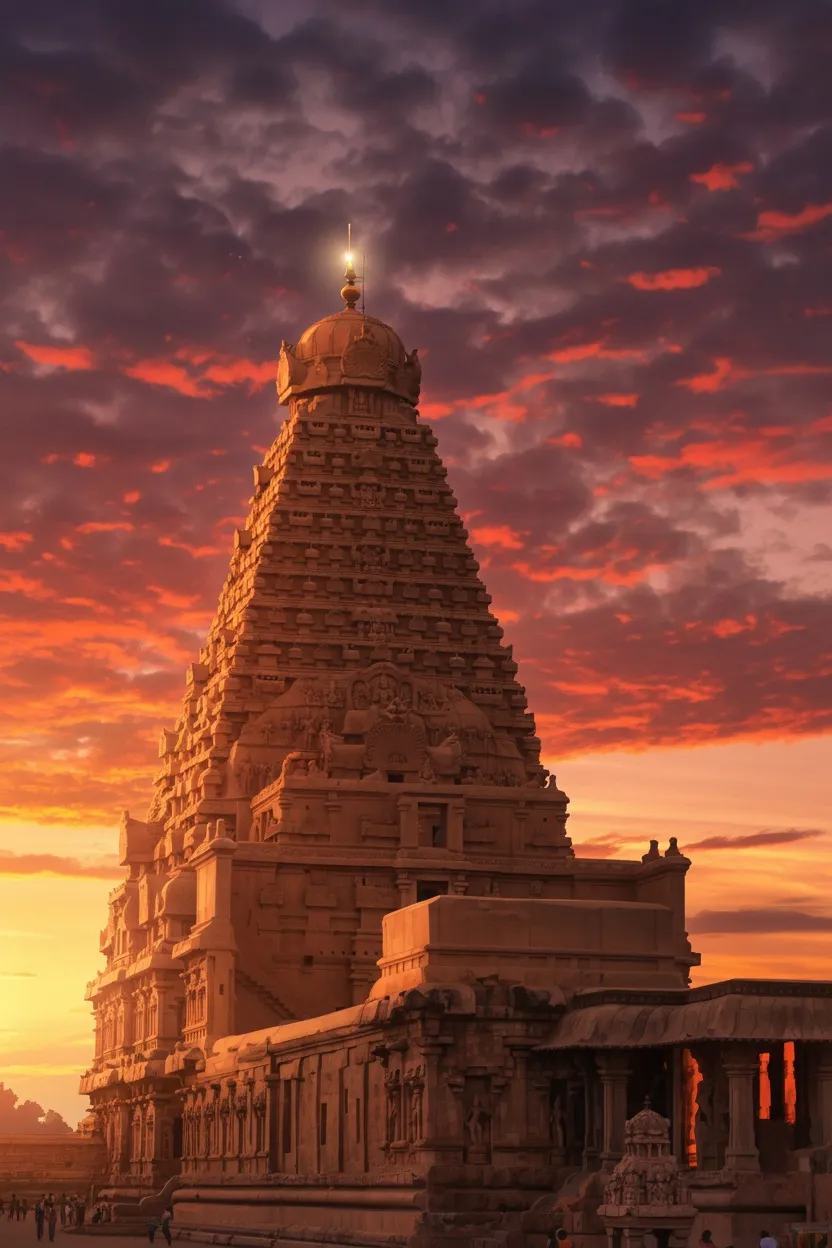
The Brihadeshwara Temple, dedicated to Lord Shiva, is not just an architectural marvel, but a deep representation of cosmic principles and divine symbolism. The temple embodies the concept of the Axis Mundi—the cosmic pillar connecting heaven and earth. This axis represents the path through which divine energy flows between the physical world and the spiritual realms. The temple’s colossal tower, or Vimana, symbolizes Mount Meru, the mythical center of the universe in Hindu cosmology, reinforcing the idea of the temple as a sacred mountain. Its grand scale and meticulously planned design represent the divine authority of the Chola kings, whose power was believed to be granted by Lord Shiva. The temple’s symbolism reinforces the idea that the king’s rule was divinely ordained, with the temple acting as a physical manifestation of cosmic order.
A significant aspect of the Brihadeshwara Temple’s symbolism lies in its alignment with the sun and stars. The temple’s structure is designed in such a way that it channels cosmic energy, specifically the sunlight, into the inner sanctum, where the Shiva Linga resides. This alignment reflects the temple’s role in not only religious worship but also as a cosmic map, bridging the gap between divine and earthly realms. Additionally, the temple’s walls are adorned with intricate carvings and sculptures depicting various forms of Lord Shiva and other deities. These artistic representations symbolize the spiritual journey of the devotee, with each sculpture telling a story of divine intervention and cosmic harmony.
Destruction, Abandonment & Rediscovery
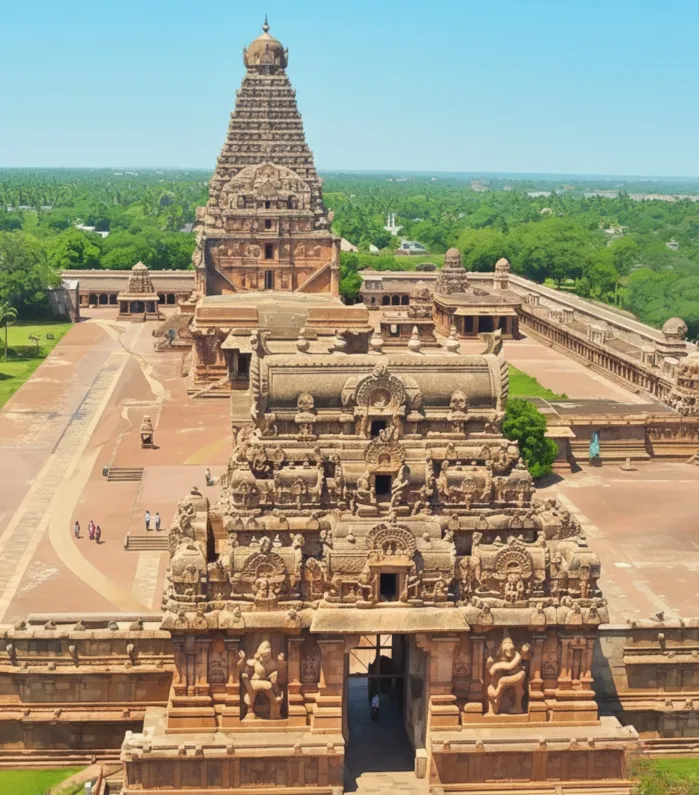
- Neglect & Decline: The temple faced neglect as the Chola dynasty weakened, leading to its obscurity.
- Invasions: During the 14th century, the temple was damaged due to invasions and political instability in southern India.
- Colonial Neglect: Under British rule, the temple was partially abandoned, though it remained a local worship center.
- Rediscovery: In the 19th century, British explorers rediscovered the temple, leading to its restoration efforts.
- Restoration: Today, the temple is preserved by the Indian government and the Archaeological Survey of India, though some elements were lost over time.
Present Condition & Architectural Legacy
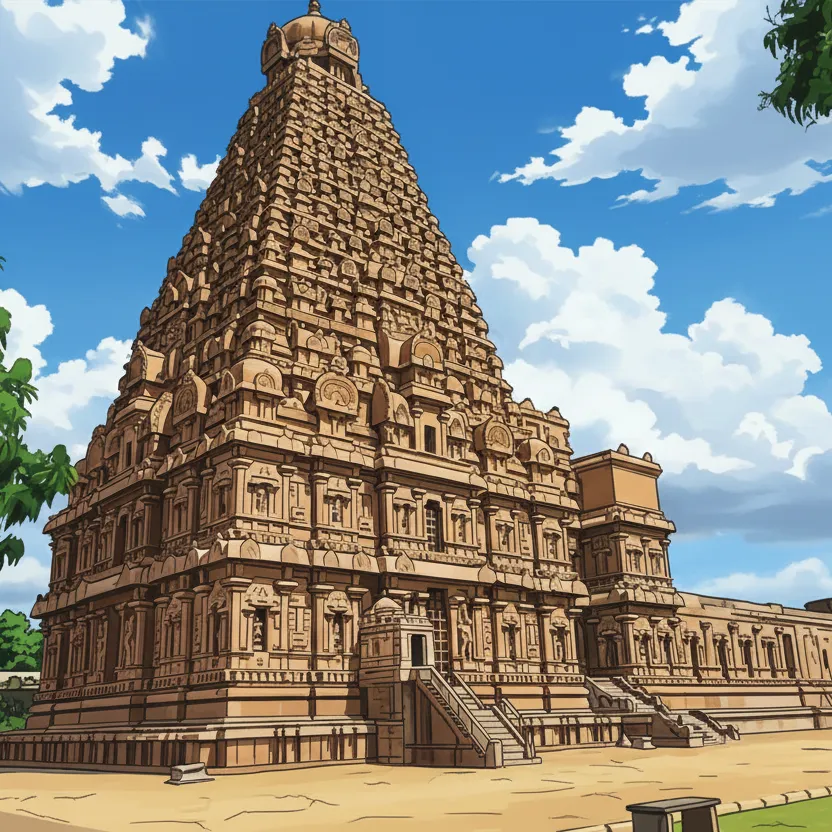
Today, the Brihadeshwara Temple stands proudly as a UNESCO World Heritage site, representing one of the finest examples of Tamil Dravida architecture. The temple's original structure has been remarkably well-preserved, with the main temple complex still intact, including the massive central dome (Vimana) and the towering entrance gateway.
The temple continues to be a major center for worship, drawing thousands of devotees and tourists alike. The sanctum, where the Shiva Linga resides, remains the focal point of spiritual practice, with rituals and offerings carried out daily. Its location in Thanjavur, a historic city in Tamil Nadu, also makes it a prime example of the Chola Empire’s cultural, political, and religious significance during its peak.
Architecturally, the Brihadeshwara Temple has set standards for temple construction that influenced subsequent temple designs in southern India. The sheer size of the temple, its detailed carvings, and the innovative use of stone and granite set it apart from earlier structures. The temple's Vimana, standing at 216 feet, is one of the tallest of its kind in India and continues to inspire awe.
Today, the Brihadeshwara Temple is a remarkable symbol of Indian heritage, showcasing the artistic and architectural mastery of the Chola dynasty. It is also a critical case study for architecture students, providing insight into early medieval stone construction techniques, the use of gravitational engineering, and the synthesis of religion and architecture.
The Martand Surya Temple
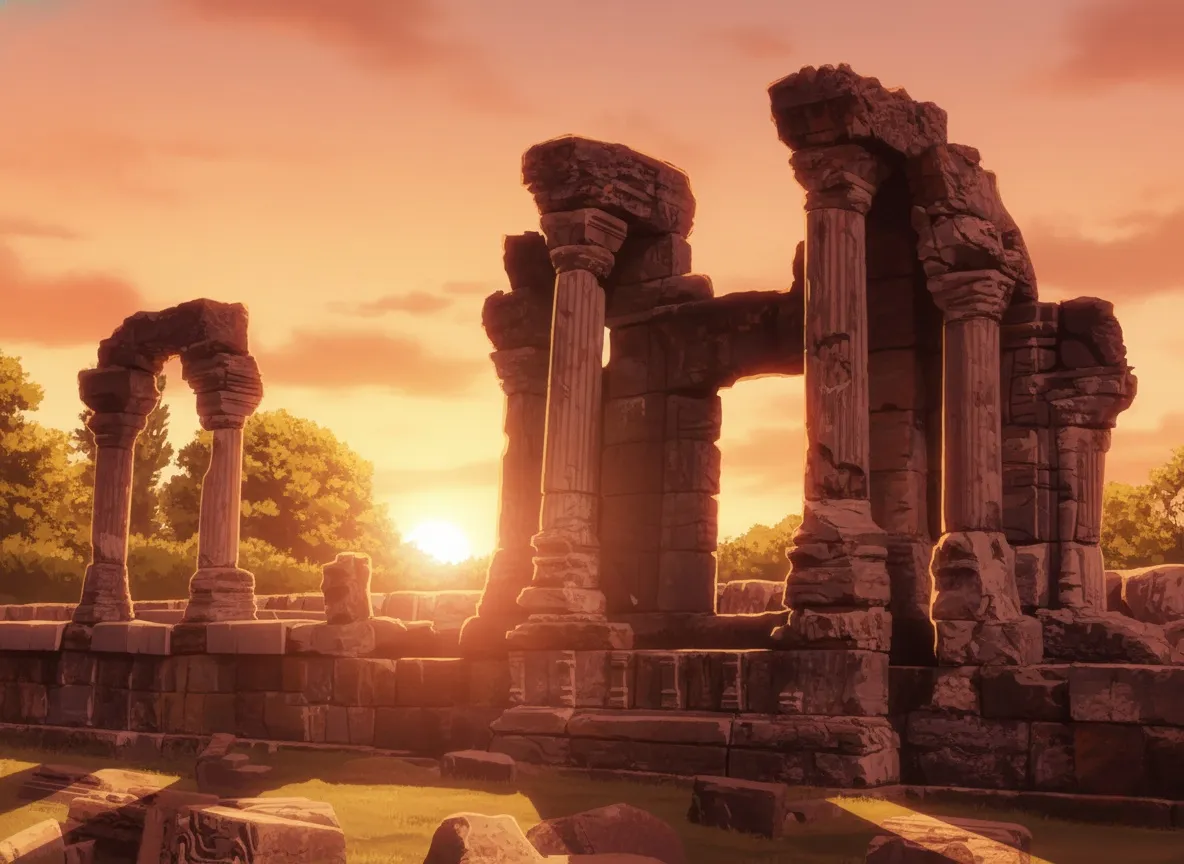
The Martand Surya Temple, built in the 8th century CE by the Kashmiri King Lalitaditya, is an iconic example of ancient sun temple architecture. Known for its grand scale and intricate carvings, it once stood as a center of worship and cultural importance.
Explore Now →